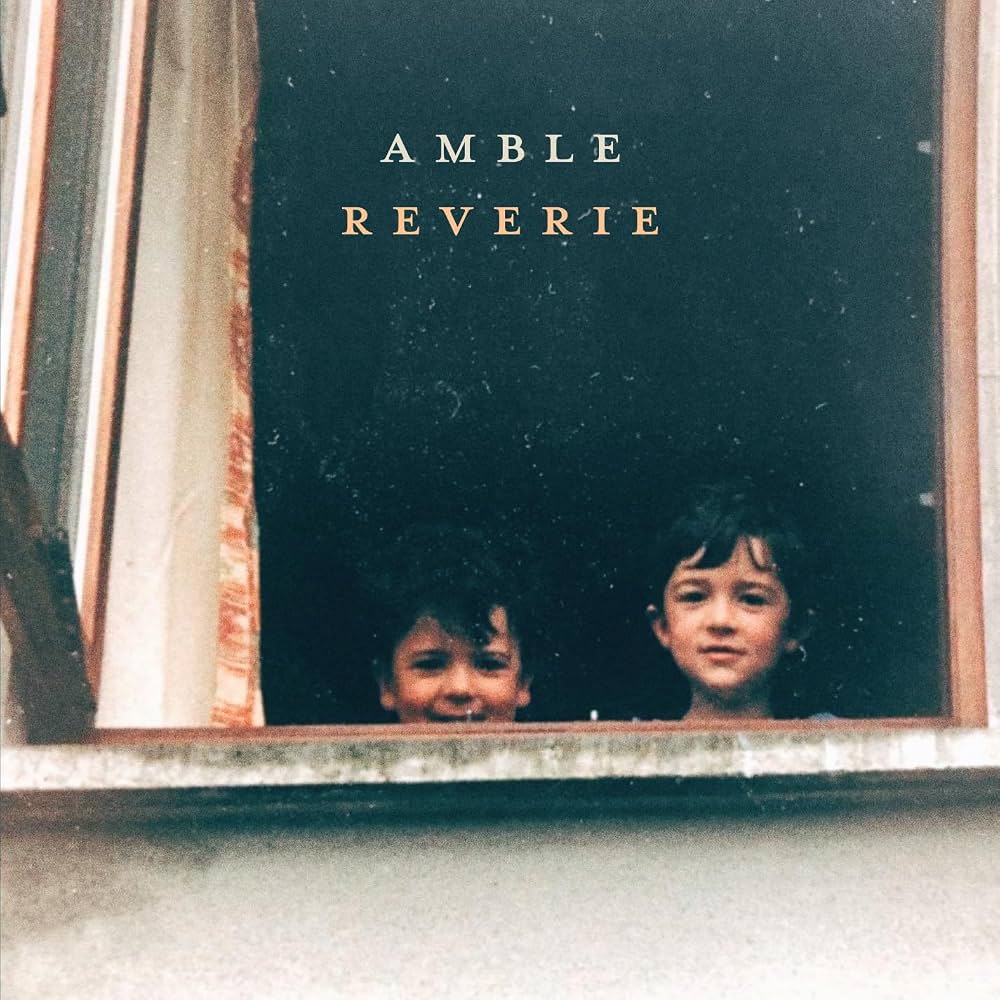
Album of the Week
Reverie
by Amble
- Release
- May 23, 2025
- Genre
- Folk, Contemporary Irish Folk
Review
This week’s edition of NCIrish’s Album of the Week features the debut album “Reverie” by Amble — the Irish folk trio whose rise from the west of Ireland to sold-out halls on both sides of the Atlantic has been one of the most exciting stories in contemporary Irish music.
About the Album: “Reverie” is the debut studio album by Amble, released on May 23, 2025 via Warner Records. The 14-track collection brings together breakout singles such as “Mariner Boy,” “Lonely Island,” and “Mary’s Pub” with new material recorded largely live — often in just one or two takes — capturing the band’s raw, unfiltered sound. The group — Robbie Cunningham (lead vocals/guitar), Ross McNerney (mandolin), and Oisin McCaffrey (guitar/vocals) — write collaboratively, drawing on friendship, memory, and the landscapes of rural Ireland.
Why It’s Influential: Amble have helped define a new wave of Irish folk for a younger audience, blending intimate storytelling with natural harmonies and acoustic instrumentation that feels both timeless and fresh. “Reverie” debuted at #1 on the Irish album chart and has drawn comparisons to the sincerity of classic folk while earning the band support slots with artists like Hozier. For listeners in North Carolina exploring what’s happening in Irish music today, this album is an essential starting point.
“Lonely Island” and “Mary’s Pub“: These two songs have become fan favourites well beyond Ireland. “Lonely Island” pairs a yearning melody with vivid, place-rooted imagery, while “Mary’s Pub” captures the warmth of community gathering spots that every Irish diaspora listener recognises. Together they show what makes Amble special — songs that feel personal yet instantly relatable.
“Tonnta“: One of the album’s standout Gaelic-language moments, “Tonnta” (Irish for “waves”) underscores Amble’s connection to the language and tradition without ever feeling like a museum piece. It sits comfortably alongside English-language songs and reminds us that modern Irish folk can honour both.